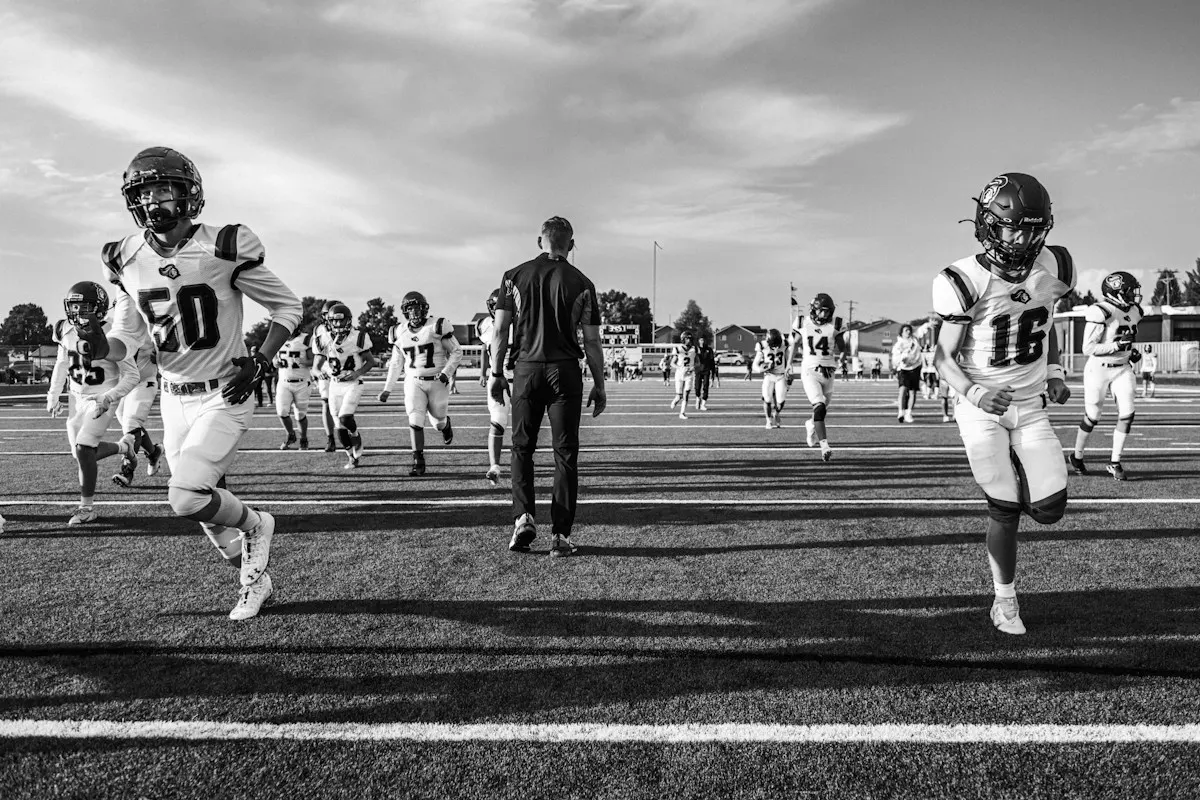
How to Become a High School Coach in Illinois
Jordan Leonard · 2026-11-02 · 5 min read
The short answer: you do not have to be a teacher to coach high school sports in Illinois. Schools that belong to the Illinois High School Association (IHSA) can hire non-faculty coaches, as long as those coaches are at least 19 years old, complete an IHSA-approved coaching education course, and meet the school’s own hiring and safety requirements.
Here is what that looks like in practice, what it costs, and the order to do things in.
Who can coach at an IHSA school?
IHSA member schools generally use two kinds of coaches:
- Faculty or licensed coaches: people who hold a current Illinois teaching or related educator license, or who are retired teachers. These coaches are generally exempt from the IHSA coaching certification course.
- Non-faculty coaches: everyone else, including parents, former players, college students over 19, and professionals from other fields. Non-faculty coaches must complete an IHSA-approved coaching education program before they coach.
Either way, you must be hired by the school or district, or formally registered as a volunteer. You cannot just show up and help. Chicago Public Schools, for example, states that a coach for an IHSA member school must be a formal employee or a formally registered volunteer.
The IHSA coaching education requirement
Non-faculty coaches must pass three components before coaching:
- Coaching principles: philosophy, communication, teaching skills, and managing a team.
- Sport first aid: recognizing and responding to common injuries and emergencies.
- IHSA By-laws: the eligibility, conduct, and season rules your school must follow.
IHSA-approved providers sell these as a bundle. The two main options are Human Kinetics Coach Education (formerly ASEP) and the NFHS (National Federation of State High School Associations) through NFHS Learn. The courses are online, so you can complete them at your own pace. If you already hold some of these components, for example if you coached in another state, ask IHSA or your athletic director whether you only need the missing piece.
Other trainings schools ask for
- Concussion awareness training: IHSA-mandated concussion training must be kept current. It is generally valid for two years, then you renew it.
- Performance-enhancing substance awareness: IHSA requires coaches to complete this program.
- Sport rules interpretation: many schools require head coaches to watch the IHSA rules interpretation video for their sport each season.
- CPR/AED and first aid: many districts require a current certificate, even beyond the first aid course in the IHSA bundle.
- District trainings: mandated-reporter training, abuse prevention, and other annual courses vary by district.
Background checks
Illinois school districts run criminal background checks on coaches, and many require fingerprinting. Volunteers are usually held to the same standard as paid coaches. Build in time for this step, since results are not always instant and you cannot start working with athletes until you are cleared.
What it costs
Budget for a few separate items:
- The IHSA coaching education bundle. Prices are set by the provider and change over time, so check the current price on the Human Kinetics IHSA page or NFHS Learn before you buy. Some districts reimburse it once you are hired, so ask first.
- Fingerprinting and background check fees, which some districts cover and others pass on to the applicant.
- CPR/AED certification, if your district requires it and you do not already have it.
Many of the IHSA and NFHS awareness courses, such as concussion training, are free.
Step by step
- Find an opening. Check district employment sites, ask athletic directors directly, and look on job boards like Coach Corner. Assistant and lower-level roles are the most common way in.
- Apply and interview. Ask about the stipend, season dates, and which certifications the district needs before your first practice.
- Complete the background check as soon as you get an offer.
- Take the IHSA coaching education bundle if you are not a licensed or retired teacher.
- Finish concussion and substance awareness training and any district courses.
- Send your certificates to the athletic office and keep copies. Track renewal dates, especially for concussion training and CPR.
Tips for non-teachers
- Start as an assistant. Freshman, sophomore, and junior varsity assistant jobs are often the hardest for schools to fill.
- Get certified early. Finishing the IHSA bundle before you apply shows an athletic director you are ready to go.
- Be clear about your schedule. Practices usually start right after school, so talk honestly about how your day job fits.
Sources and further reading
Requirements can change each school year. Confirm the current rules on the IHSA Coaches’ Education page and with the athletic director at the school you are applying to. The CPS Athletics “Becoming a Coach” page is a helpful example of how one large district lays out its requirements.
#Illinois #IHSA #CoachingJobs